Name the change
Describe what you saw or heard during ordinary use. Avoid repeating a questionable action just to reproduce it.

AUSTRALIA · HOUSEHOLD APPLIANCE NOTES
When something changes in the kitchen, a useful note starts with what happened — not a guess about the cause.
Start an observation journal ↗“The sound was different this morning.”
A specific observation. A question to take further.OBSERVE BEFORE INTERPRETING
A sound, a compartment or a display message can be described clearly without naming a faulty component.
Describe what you saw or heard during ordinary use. Avoid repeating a questionable action just to reproduce it.
Use the day or approximate period you remember. An honest estimate is better than invented precision.
Mention a recent move, different use or time away without assuming that it explains the change.
02 / FIND THE RIGHT CONTEXT
Explore what to record for each area. These prompts do not establish a temperature, identify a fault or decide whether food is safe.
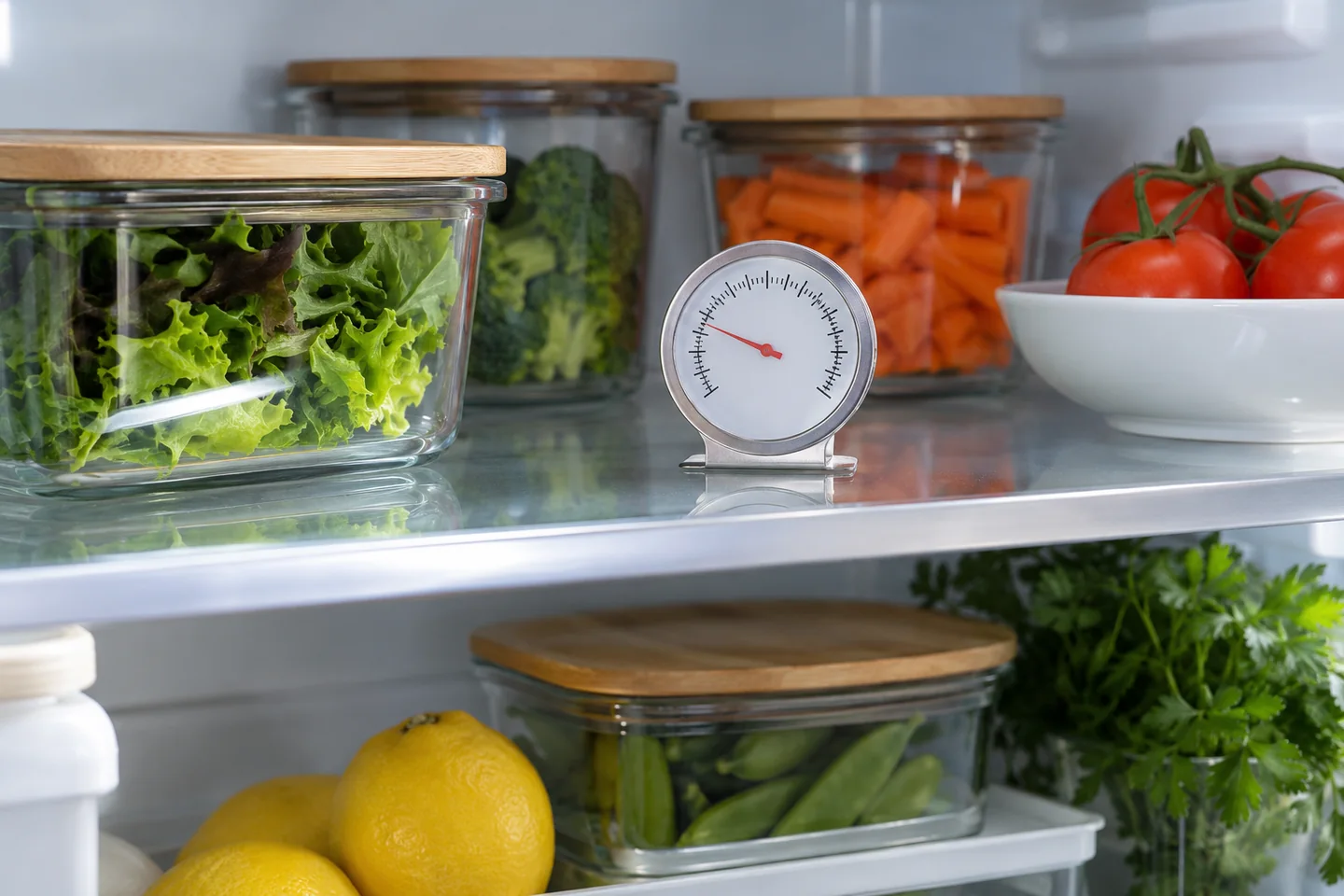
Record which shelf or compartment seemed different and when you noticed it. A feeling of warmth alone is not a reliable food-safety assessment.
Use the appliance instructions and current official food-safety guidance. Do not open refrigeration or electrical components.
Read the fridge notes ↗03 / THE ORDINARY DETAILS
A busy weekend, a quiet week or time away can provide context. Record the routine without turning it into a diagnosis.
Your notes belong to your household. They do not need technical language, a component name or a confident explanation.
Use the local journal ↗
04 / A TOOL YOU CAN COME BACK TO
Add a dated note, choose a category and edit it later. The journal stays in this browser; it does not send information to a repairer.
Local storage · Editable entries · Export to a text file

05 / A SMALL READING SHELF
Filter the guide by subject. Every result opens a full article with its own context and next steps.
Compartments, displays and everyday observations.
Read article ↗Ice, drawers and the point when something changed.
Read article ↗Questions about credentials, assessment and scope.
Read article ↗Ovens, gas safety and equipment beyond the fridge.
Read article ↗Add, edit, remove and export your device-local notes.
Read article ↗No articles match. Try a shorter search or choose All subjects.
06 / LOOK WITHOUT DISMANTLING
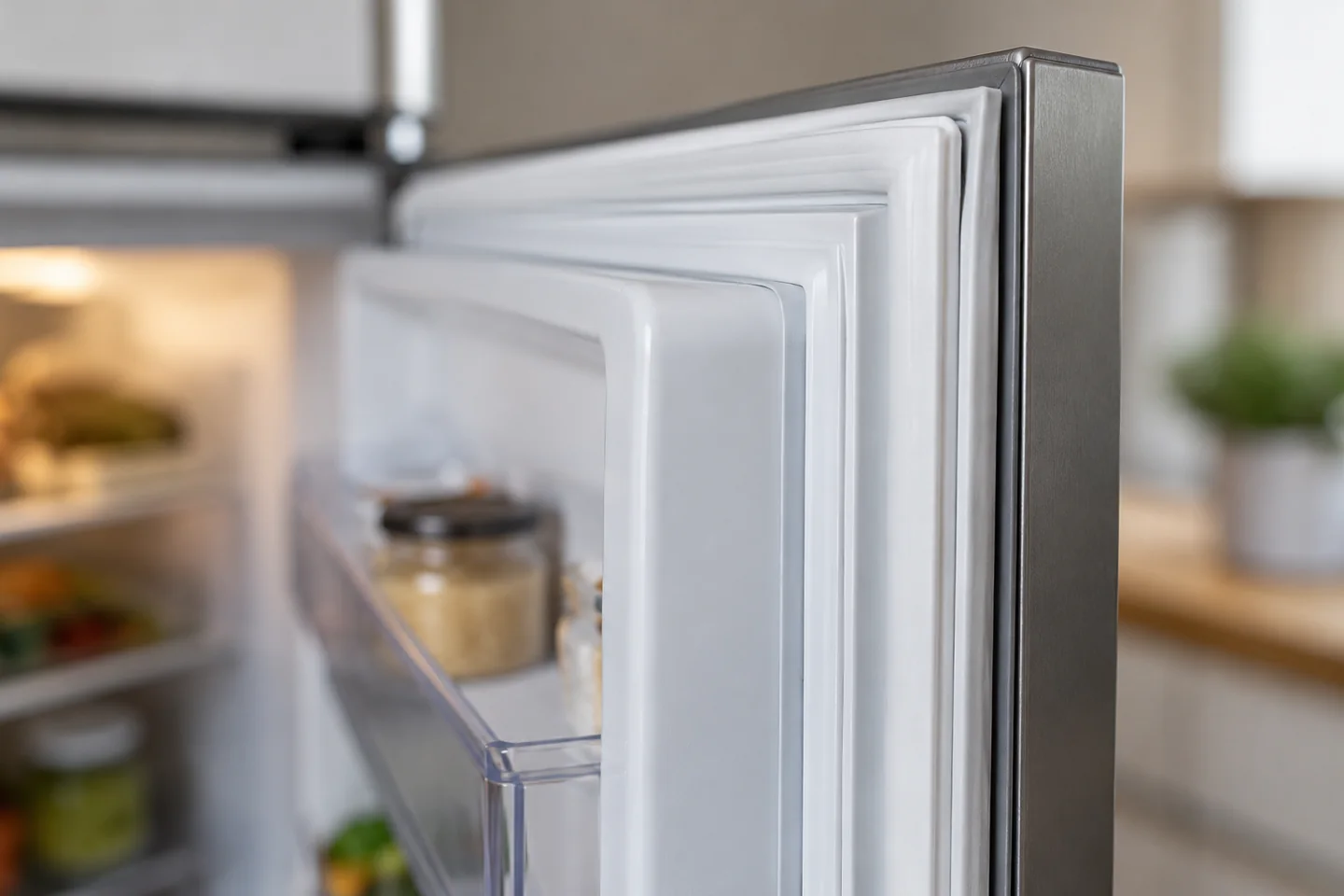
Ordinary user care and technical repair are different things. Consult the manufacturer’s instructions before any routine cleaning.
Leave panels, wiring, refrigerant circuits and gas connections to appropriately qualified people. This journal does not provide repair instructions.
Plan a professional conversation ↗
A freezer note should identify the drawer or area involved and the timing of the change. Keep the record descriptive; avoid declaring food safe from appearance alone.
Read the freezer guide ↗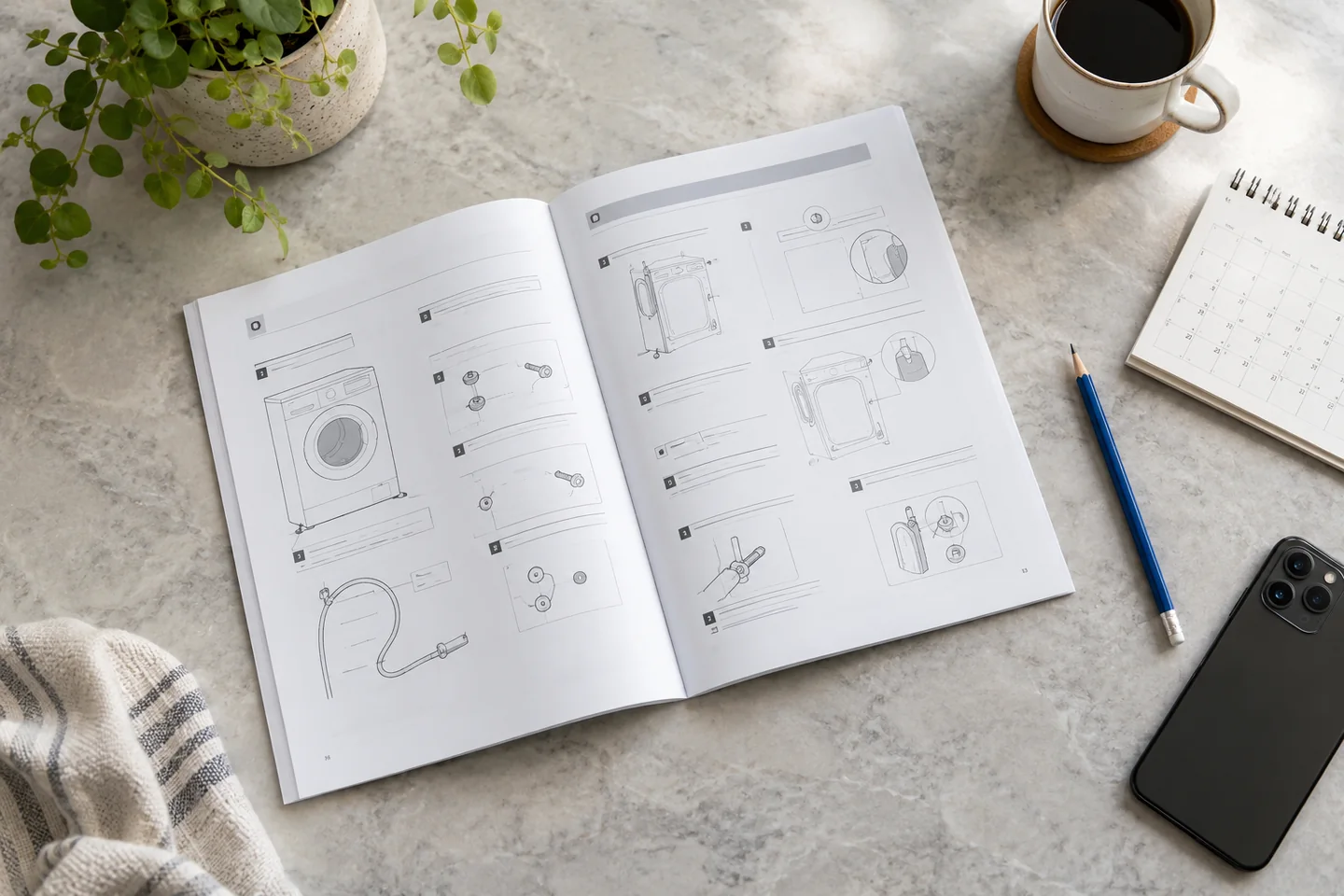
08 / THE MANUAL IS PART OF THE RECORD
Operating modes and user-care steps vary between appliances. Use the instructions supplied for your exact model.
09 / FROM NOTE TO CONVERSATION
A clear record can support a conversation. It does not replace an inspection or qualify a provider.

Ask what licence or registration covers the proposed work and verify it with the appropriate regulator.
Ask about assessment fees and what happens before extra work is approved. This guide supplies no prices.
Request a record of the assessment, work and any operating advice actually provided.
Move away from a suspected leak. Avoid ignition sources and devices in the affected area. Contact your gas distributor from a safe place; call 000 for immediate danger. This site is not monitored for emergencies.
Read the gas safety context ↗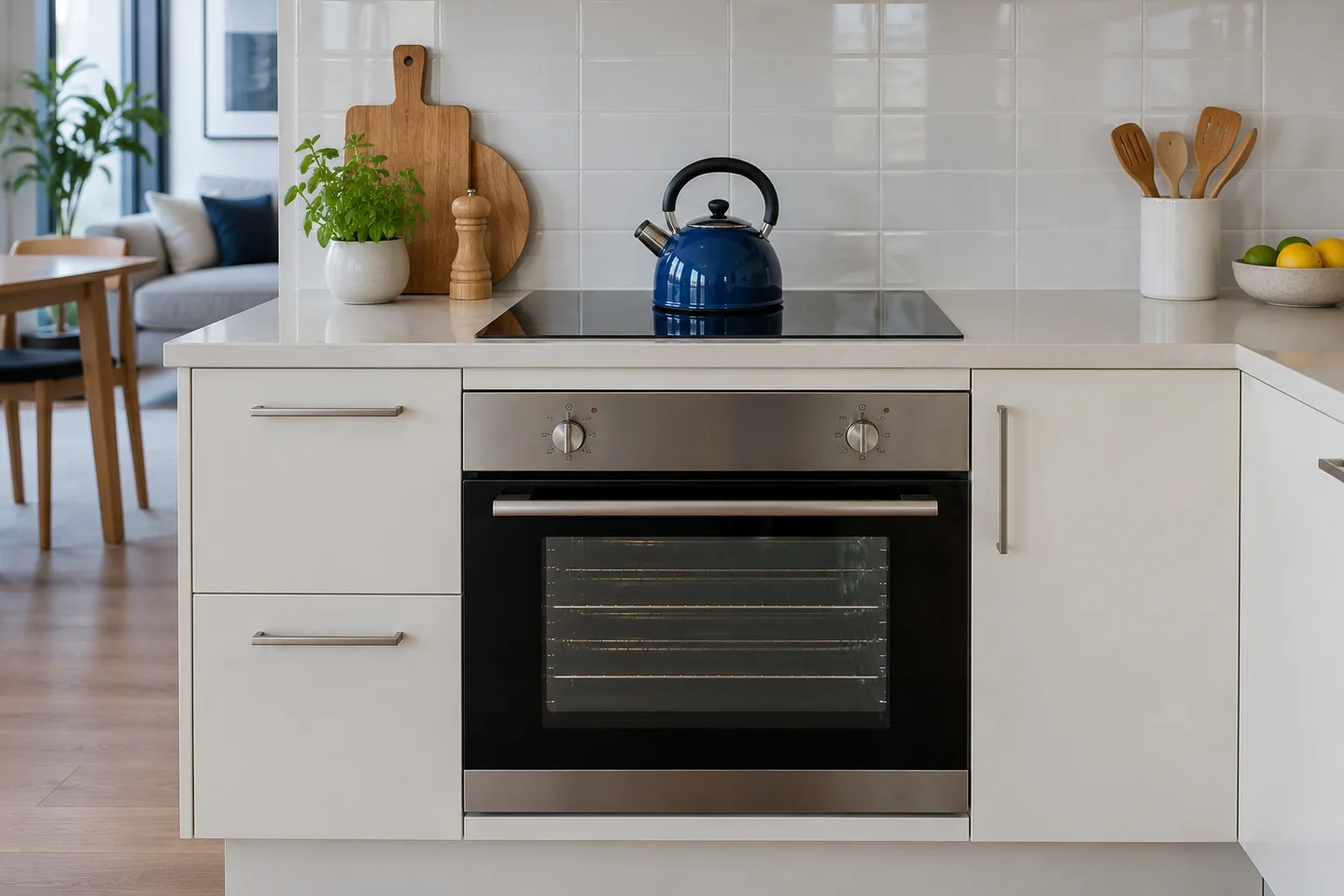
11 / BEYOND COLD STORAGE
Describe the function and the change. Do not attempt to access gas, electrical or heated components to investigate.
There are separate notes on ovens, cooktops, boilers and hot-water systems. Each keeps professional work firmly with the relevant qualified person.
Explore the other appliances ↗12 / AFTER THE VISIT
A service report and your own observations serve different purposes. Keep both without blending assumptions into the provider’s findings.

13 / BEFORE YOU START
The journal is deliberately simple. Here is what it can and cannot do.
No. It organises observations and explains questions you can ask. An inspection may be needed to understand the cause.
No. They are original illustrative scenes created for this guide. They do not represent an operating repair business.
No. Entries are stored locally in this browser. The separate contact form sends only the information you deliberately submit.
No. Arrange assessment or repairs directly with a suitably qualified provider. Zarevokil does not list or dispatch technicians.
14 / HELP MAKE THE INFORMATION CLEARER
Use the editorial contact form to flag an unclear explanation or ask about this website. Do not send urgent appliance problems or private documents.
Contact the guide ↗