Start with location
Was the observation in the main compartment, a drawer, a door shelf or on an external display? Describe the place in ordinary language. If you do not know the correct name, a simple description is enough.
Do not move shelves, unload an appliance repeatedly or alter settings to create a test for this website. Work from what you already noticed in normal use.
Keep time and context together
Write down when you first noticed the change and whether the household routine differed around that time. A recent move, visitors or time away may be relevant context, but none proves a cause.
If the timing is uncertain, say so. Your journal can hold an approximate date in the written note without pretending the memory is exact.
Treat food-safety questions separately
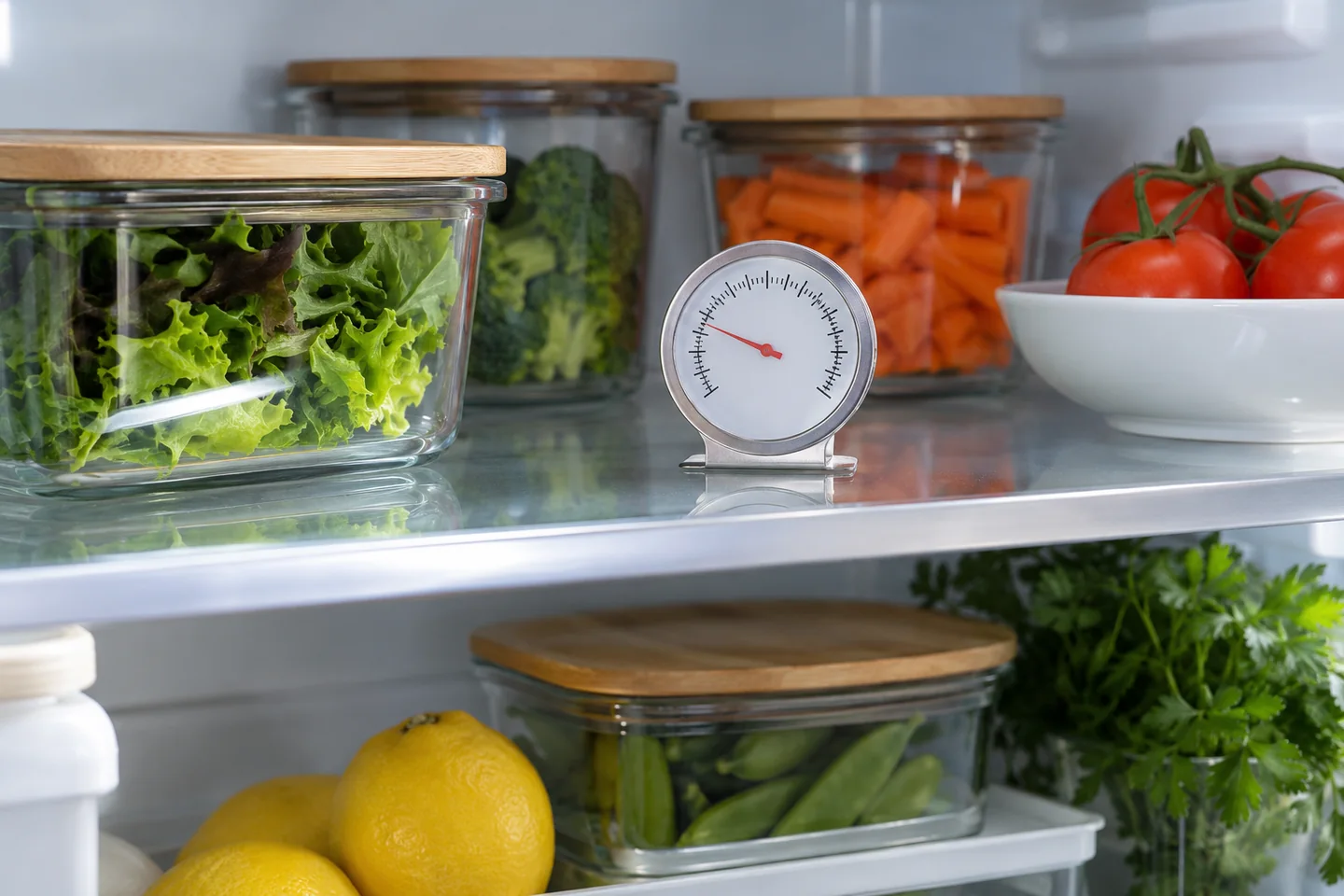
A smell, appearance or feeling of temperature is not enough for this guide to judge whether food is safe. Consult current official food-safety advice and the appliance manufacturer when storage conditions are in doubt.
Do not rely on a successful journal entry or a reassuring-looking photograph as evidence that an appliance is maintaining safe conditions.
Know where user care stops
The manufacturer may describe ordinary cleaning and operation. Follow the instructions for your model and stop when a task involves electrical parts, refrigerant circuits or access panels.
A suitably qualified professional can explain the assessment needed. Ask what credentials cover the work and what the proposed scope includes.
Bring a useful record
A short account with the appliance type, location, time and observed change is easier to discuss than a speculative parts list. Keep a copy of any existing display message without repeatedly provoking it.
After a professional visit, preserve the written findings as a separate record. Your own impressions should not be presented as the provider’s diagnosis.